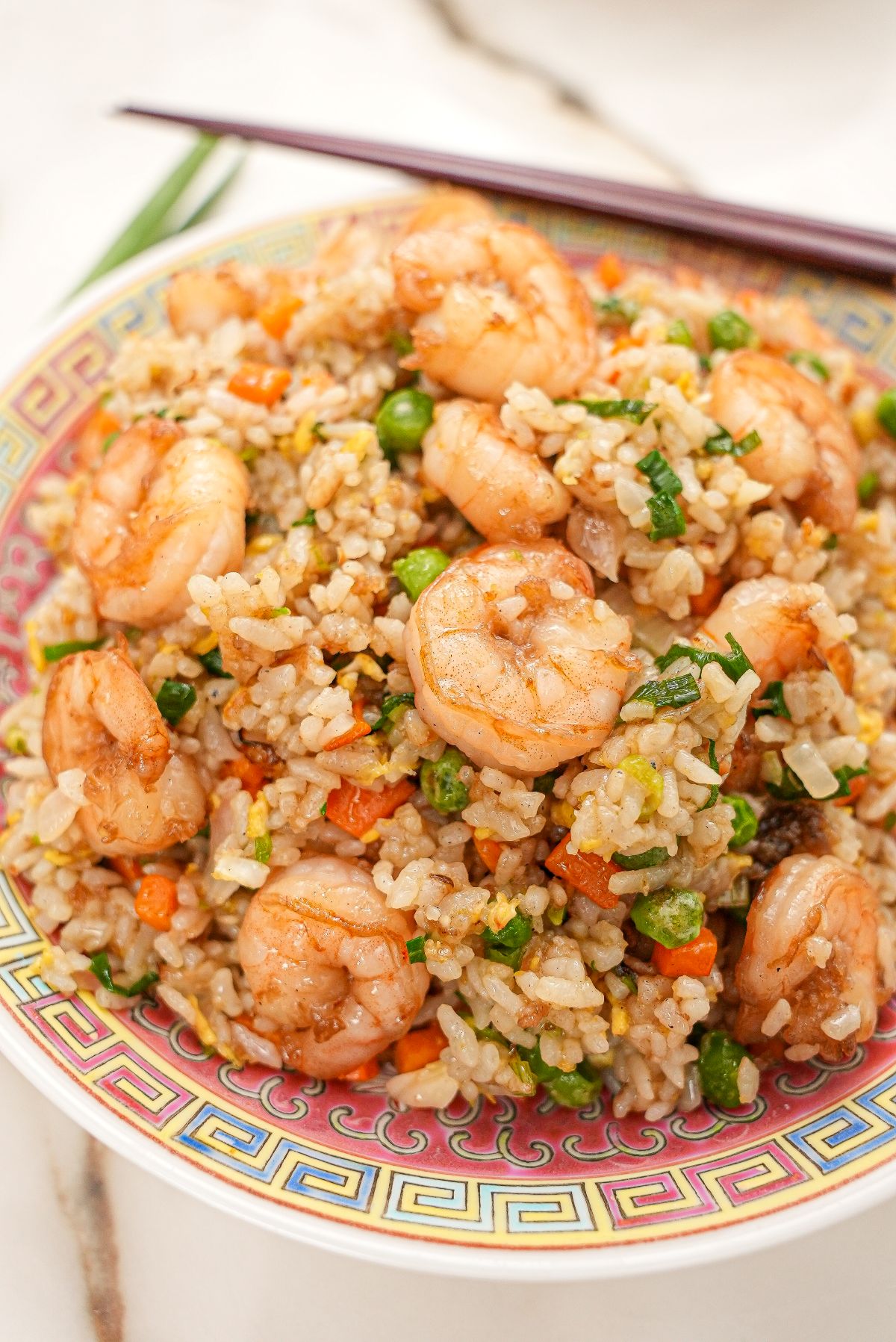
Master Restaurant-Quality Shrimp Fried Rice at Home Today
Craving that irresistible, savory goodness of your favorite takeout shrimp fried rice? Imagine whipping up a steaming plate of fluffy rice, tender shrimp, and crisp vegetables in your own kitchen, all bursting with authentic flavor. Good news: achieving restaurant-quality shrimp fried rice at home is not only possible but surprisingly easy! Forget expensive delivery and questionable ingredients; this guide will empower you to create a hearty, satisfying, and utterly delicious meal that's better than takeout.
This beloved dish, a staple in Chinese restaurants worldwide, is renowned for its perfect balance of textures and tastes. With just a few simple ingredients and smart techniques, you can transform humble leftovers into a culinary masterpiece that your whole family will adore. Let's dive in and unlock the secrets to your best homemade shrimp fried rice yet!
Why Homemade Shrimp Fried Rice is a Game-Changer
Opting to make shrimp fried rice from scratch offers a multitude of benefits that elevate it far beyond a mere weeknight meal. It's not just about convenience; it's about control, freshness, and the sheer joy of creating something delicious.
- Speed and Simplicity: This dish is a true weeknight hero, often ready in under 30 minutes once your ingredients are prepped. It's a fantastic solution for those busy evenings when you need a quick, satisfying dinner without compromising on flavor. In fact, for more quick tips, check out Quick & Customizable Shrimp Fried Rice: Your 30-Minute One-Pan Meal.
- Ultimate Customization: Unlike takeout, you have complete control over every ingredient. Want more veggies? Add them! Prefer less sodium? Adjust your soy sauce. You can tailor it precisely to your family's tastes and dietary needs, making it a truly flexible recipe.
- Fresher & Healthier: By preparing it yourself, you ensure the freshest shrimp and vegetables are used. You can also monitor the amount and type of oil, ensuring a healthier meal. Add extra nutrients with a vibrant array of your favorite produce.
- Cost-Effective: Making shrimp fried rice at home is significantly more economical than ordering takeout, especially when feeding a crowd. It’s an ingenious way to utilize leftover rice and bits of vegetables.
- One-Pan Wonder: Many versions of this recipe are designed to be cooked in a single pan or wok, minimizing cleanup and maximizing efficiency. This makes it an ideal choice for a fuss-free cooking experience.
The Essential Ingredients for Stellar Shrimp Fried Rice
The foundation of great shrimp fried rice lies in selecting quality ingredients. While the recipe is forgiving and highly customizable, a few core components are non-negotiable for that authentic taste and texture.
- The Star – Shrimp:
- Type: Opt for medium or large raw shrimp, peeled and deveined. This size cooks quickly and remains tender.
- Fresh vs. Frozen: Both work beautifully. If using frozen, ensure they are fully thawed and, crucially, patted bone-dry before cooking. Excess moisture leads to steaming, not searing, and dilutes flavor. A pound of shrimp is typically perfect for four servings.
- The Foundation – Rice:
- Day-Old Rice is Key: This is arguably the most critical component. Leftover, chilled, day-old white rice (like jasmine or basmati) is essential. Freshly cooked rice is too moist and will result in a sticky, mushy fried rice. Cold rice grains are firmer and separate beautifully, allowing them to absorb flavor and develop crispy edges.
- Thawed Frozen Rice: If you don't have day-old rice, thawed frozen rice can also work in a pinch.
- The Binder – Eggs:
- Lightly beaten eggs, scrambled and mixed in, add richness, texture, and make the dish extra hearty. Usually, two to three eggs are sufficient for a family-sized portion.
- The Veggies – Color & Crunch:
- Classic Trio: Frozen peas, carrots, and corn are popular choices for their convenience, vibrant color, and sweet flavor. They cook quickly and add essential nutrients.
- Fresh Additions: Don't hesitate to incorporate finely diced fresh carrots, celery, green onions, or even snow peas, bell peppers, or broccoli florets. Slice green onions thinly, separating the white and green parts for different stages of cooking.
- The Aromatics – Flavor Boosters:
- Garlic: Two or more cloves of minced fresh garlic are non-negotiable for depth of flavor.
- Ginger (Optional): A hint of fresh grated ginger can elevate the aroma and give it an extra layer of complexity.
- The Oils – Searing & Scent:
- Cooking Oil: Olive oil, vegetable oil, or peanut oil are suitable for high-heat cooking.
- Sesame Oil: A crucial finishing oil. Drizzled in at the very end, its distinctive nutty aroma and flavor permeate the dish beautifully.
- The Seasoning – Savory Notes:
- Low-Sodium Soy Sauce: This is the backbone of fried rice flavor. Low-sodium varieties allow you to control the saltiness better.
- Salt & Pepper: To taste, essential for balancing flavors.
- Optional Flavor Enhancers: A dash of oyster sauce or a hint of white pepper can further deepen the umami profile.
Mastering the Technique: Step-by-Step Cooking Guide
Achieving that coveted restaurant-style texture and flavor for your shrimp fried rice is all about technique. Speed, heat, and proper ingredient staging are your best friends here. For even more detailed instructions, you might find Secrets to Perfect Shrimp Fried Rice: Essential Ingredients & Tips helpful.
- Mise en Place (Prepare Everything First!): This is the golden rule for fried rice. Chop all vegetables, mince garlic, beat eggs, thaw shrimp, and measure out your sauces. Once you start cooking, things move very quickly, and you won't have time to prep.
- Sear the Shrimp: Heat a large nonstick skillet or a well-seasoned wok over medium-high heat with a little cooking oil (olive, vegetable, or peanut oil). Add the patted-dry shrimp in a single layer. Cook for just 1-2 minutes per side until they turn pink and opaque. Do not overcrowd the pan, as this will steam the shrimp instead of searing them. Remove the cooked shrimp and set aside to prevent overcooking.
- Build the Flavor Base: Add a bit more oil to the pan if needed. Sauté the harder vegetables first, such as diced carrots and the white parts of green onions, for a few minutes until slightly tender-crisp. Then, add minced garlic (and optional ginger) and cook for another minute until fragrant. If using frozen peas, corn, or other quick-cooking vegetables, add them now and stir-fry briefly.
- Introduce the Rice: Push the vegetables to one side of the pan or remove them temporarily. Add the cold, day-old rice to the empty side of the hot pan, breaking up any clumps with your spatula. Let it sit undisturbed for a minute or two to develop some crispy bits, then stir-fry, spreading it out and allowing it to sizzle. This is where your rice transforms from bland to flavorful and textured.
- Incorporate the Eggs: Push the rice and vegetables to one side of the pan. Pour the lightly beaten eggs into the empty space. Scramble them until just set, then break them into smaller pieces and mix them into the rice and vegetable mixture.
- Final Assembly & Seasoning: Return the cooked shrimp to the pan. Drizzle in the low-sodium soy sauce (and optional oyster sauce). Toss everything together vigorously, ensuring the sauce coats all the ingredients. Season with salt and ground black pepper to taste.
- The Finishing Touch: Remove the pan from the heat. Drizzle with a good splash of sesame oil and sprinkle generously with the green parts of your sliced green onions. Toss once more and serve immediately.
Customizing Your Shrimp Fried Rice: Beyond the Basics
The beauty of shrimp fried rice lies in its incredible adaptability. Once you master the basic technique, the possibilities for customization are endless, allowing you to cater to any palate or pantry.
- Vegetable Variations: Don't feel limited to peas and carrots. Experiment with finely chopped broccoli, sliced mushrooms, diced bell peppers (red, yellow, or orange for color), water chestnuts for crunch, or even baby spinach wilted in at the end.
- Protein Swaps: While shrimp is the star, this recipe is incredibly flexible. You can easily substitute or combine it with other proteins:
- Chicken: Diced cooked chicken breast or thigh.
- Pork: Diced cooked char siu (Chinese BBQ pork) or thinly sliced cooked pork loin.
- Tofu: Cubed, pan-fried, or air-fried tofu for a vegetarian option.
- Flavor Boosters:
- For a touch of heat, add a teaspoon of chili garlic sauce or Sriracha during the final stir-fry.
- A dash of rice vinegar can brighten the flavors.
- A pinch of white pepper adds an authentic, subtle warmth.
- Serving Suggestions: While shrimp fried rice is a complete and satisfying meal on its own, it also pairs wonderfully with simple sides like steamed garlic green beans, crispy scallion pancakes, or homemade air fryer egg rolls for a more elaborate feast.
Pro Tips for Restaurant-Quality Results
Elevate your homemade shrimp fried rice from good to absolutely fantastic with these expert tips:
- The Right Pan Matters: A large nonstick skillet or a wok is ideal. The nonstick surface prevents rice from sticking, and the high sides of a wok allow for easy tossing and stir-frying over high heat.
- Don't Overcrowd: This is crucial. Cooking in batches (especially the shrimp) ensures ingredients sear instead of steam, leading to better texture and flavor. If your pan is too full, the temperature drops, and everything steams.
- High Heat is Your Friend: Fried rice benefits from quick cooking over medium-high to high heat. This creates that desirable "wok hei" (breath of the wok) flavor and ensures crispy rice bits.
- Pat Your Protein Dry: Whether using fresh or thawed frozen shrimp, pat them thoroughly dry with paper towels. This promotes beautiful searing and prevents watery fried rice.
- Taste and Adjust: Always taste your fried rice before serving. Adjust soy sauce, salt, or pepper as needed. A final drizzle of sesame oil at the end is a game-changer for aroma and depth.
There you have it – your comprehensive guide to mastering delicious, restaurant-quality shrimp fried rice right in your own home. With fresh ingredients, a few simple techniques, and a dash of confidence, you're well on your way to creating a vibrant, flavorful, and incredibly satisfying meal. It's a quick, customizable, and budget-friendly dish that truly outshines its takeout counterpart. So grab your wok or skillet, gather your ingredients, and get ready to impress your taste buds!
